
Following on from the European Union’s commitments to phase out energy imports from Russia, make energy affordable, boost industrial competitiveness, improve energy security and reduce greenhouse gas emissions, the European Geothermal Energy Council (EGEC) insists that the European Commission must present an investment-orientated strategy and action plan to accelerate the deployment of all geothermal energy solutions. EGEC calls on the European Commission to publish a dedicated European Geothermal Strategy and Action Plan in the first quarter of 2026. This echoes requests made by EU Energy Ministers (see the TTE Council Conclusions of 16 December 2024) and also by the European Parliament (Resolution on geothermal energy, adopted on 18 January 2024). Indeed, the European Commissioner for Energy and Housing, Dan Jørgensen, has already confirmed (on 14 March 2025) that the Commission will present "an action plan on geothermal energy" before the end of March 2026. According to EGEC, the Commission’s proposal must include the following elements: An EU-wide target to reach 250 GW of geothermal capacity by 2040 covering all technologies. This will build on the 44 GW of installed capacity in the EU. A European Geothermal Charter, which codifies the 2040 target and launches the Geothermal Industrial Alliance to manage its delivery. Targeted European financial instruments to leverage private capital. Measures to make permitting processes more efficient and faster, as well as improving access to geological data. Sectoral or tripartite agreements with key energy consumers. Peer-to-peer guidance to help governments develop national and regional roadmaps to remove barriers, accelerate investments and build local supply chains. European instruments to support value chain development in local manufacturing and skilled professionals. The inclusion of geothermal energy as a central pillar of the EU’s Global Gateway and the Global Energy Transition Forum. Improvements to the collection and presentation of market data and statistics to enable better energy modelling. EGEC’s proposals are set out in a new policy document:The European Geothermal Strategy and Action Plan - Making Europe competitive, secure and affordable Watch EGEC's webinar on the launch of its recommendations for the EU Geothermal Strategy and Action Plan: https://www.youtube.com/watch?v=pxUUaWHfuM8
EGEC has co-signed a letter, addressed to the national governments of the EU Member States, calling on them to proceed with implementing the ETS2 emissions trading system, which will cover CO₂ emissions from fuel combustion in buildings, road transport and additional sectors (mainly small industry not covered by the existing EU ETS).
In December 2025, it was announced that the start date for ETS2 had been postponed from 1 January 2027 to 1 January 2028. EGEC, together with more than 50 other organisations including industry associations, major companies and NGOs, call on the EU Member States to implement ETS2 as planned, and to "start using the early revenues available to help the most vulnerable consumers make the transition to clean local energy sources."
"ETS2 and the use of its revenues, including the Social Climate Fund (SCF), are essential to accelerating the decarbonisation of the road transport and buildings sectors, strengthening Europe’s energy security, through increased electrification and energy efficiency, and creating the demand needed for European industry to invest in and scale clean technologies across the Union."
"ETS2 should be implemented as planned and any further reform of the ETS2 should await the scheduled review in 2029. The priority should now be to ensure predictable implementation, effective use of ETS2 and SCF revenues and timely deployment of accompanying social and investment measures."
According to the European Environment Agency, the buildings sector is a key contributor to greenhouse gas (GHG) emissions in the EU, representing 33% of energy-related emissions in 2023. These emissions result partly from the direct use of fossil fuels in buildings (e.g. oil and gas used in boilers for heating) and from the production of electricity and heat for use in buildings. The decarbonisation of heating and cooling is therefore essential for the EU to reduce emissions and meet its climate targets.
The original EU Emissions Training System was launched in 2005. Since 2013, the EU ETS has generated more than €270 billion in revenues, with around three quarters allocated to Member States. The Innovation Fund, which is funded by the EU ETS, has invested over €15 billion in clean technologies and innovative projects since 2020.
The Social Climate Fund (SCF) will use revenues from ETS2 allowance auctions and also from the existing EU ETS to fund measures such as energy efficiency improvements in buildings, clean heating and cooling, access to low- or zero-emission vehicles, or active mobility measures. The SCF is expected to mobilise at least EUR 86.7 billion between 2026 and 2032 (including co-financing provided by the EU Member States).
Joint letter calling upon EU Member States to implement ETS2
Learn more about ETS2 (European Commission website)
Learn more about the Social Climate Fund (European Commission website)
Greenhouse gas emissions from energy use in buildings in Europe (EEA)
The European Commission has presented (on 9 September 2026) a series of legislative proposals that are relevant to the development and deployment of geothermal energy solutions in the European Union. According to EGEC, these proposals include some positive aspects, but there are also some missing elements and others that should be improved before the proposals are finally adopted.

PHOTO: Stéphane Séjourné (Executive Vice-President - Prosperity and Industrial Strategy) and Ekaterina Zaharieva (EU Commissioner for Startups, Research and Innovation) presenting the European Commission's proposals in Brussels on 9 September 2026 (© European Union, 2026, licensed under CC BY 4.0 )
1. European Innovation Act
The Commission has proposed a new European Innovation Act, which it claims will strengthen the EU's long-term competitiveness, prosperity and technological sovereignty by helping Europe's most innovative ideas be developed, financed and scaled up in Europe.
EGEC believes that the measures proposed by the Commission should boost innovation and help Europe to maintain its leadership in geothermal technologies.
"The geothermal sector is one of the most innovative sectors in Europe’s economy," says Philippe Dumas, EGEC's Secretary General. "Each year, new research and innovation - also in terms of business models - enable the geothermal sector to provide better solutions to decarbonize our economy. Research and innovation also allows geothermal technologies to become less expensive, more efficient, and easier to install anywhere. It thereby helps to expand the market for these technologies and enhance the competitiveness of Europe's geothermal sector."
See EGEC's latest report on Geothermal Innovation Trends (published in December 2025).
2. Public Procurement Rules
EGEC also welcomes the European Commission's proposal for a new Regulation to modernise and simplify the EU's Public Procurement Rules in order to support effective investments in public services and infrastructure in line with the Union's policy objectives.
"Following the Net-Zero Industry Act (NZIA), the Public Procurement rules should also consider non-price criteria on sustainability and resilience," says Philippe Dumas, EGEC's Secretary General. "Geothermal is a local renewable energy source with technologies provided by a European Supply Chain to supply affordable power, heating, cooling, storage and sustainable minerals to people, cities and industry. EGEC insists that geothermal technologies must be rewarded for these advantages to the economy in public procurements."
3. Affordable Housing Act
EGEC is concerned that the Affordable Housing Act, announced by the European Commission does not include adequate measures to tackle energy poverty and accelerate the uptake of efficient heating and cooling - including geothermal solutions.
EGEC is calling for an ambitious and comprehensive European Action Plan to build and renovate social housing, hospitals, nurseries, nursing homes schools, sport centres and other public buildings. Such a plan should enable these building to enjoy the benefits of geothermal heating and cooling solutions - including lower energy costs.
"Over 60% of household energy bills are spent on keeping us warm, cool and providing hot water," says Sanjeev Kumar, EGEC's Policy Director. "These costs can be dramatically reduced by installing geothermal heating and cooling systems. The EU should empower municipalities and citizens to invest in truly affordable housing with sustainable heating and cooling using geothermal solutions."
Seán Kelly MEP was a keynote speaker at the European Geothermal District Heating & Cooling Conference, which was held at The Gibson Hotel in Dublin (Ireland) on 3 September 2026. The Conference was co-organised by EGEC and GAI (Geothermal Association of Ireland). Mr Kelly has served as a Member of the European Parliament since 2009 (elected in the South of Ireland). He is a full member of the European Parliament's Committee on Industry, Research and Energy. He also leads the Irish delegation within the EPP Group, which is the largest political group in the European Parliament.
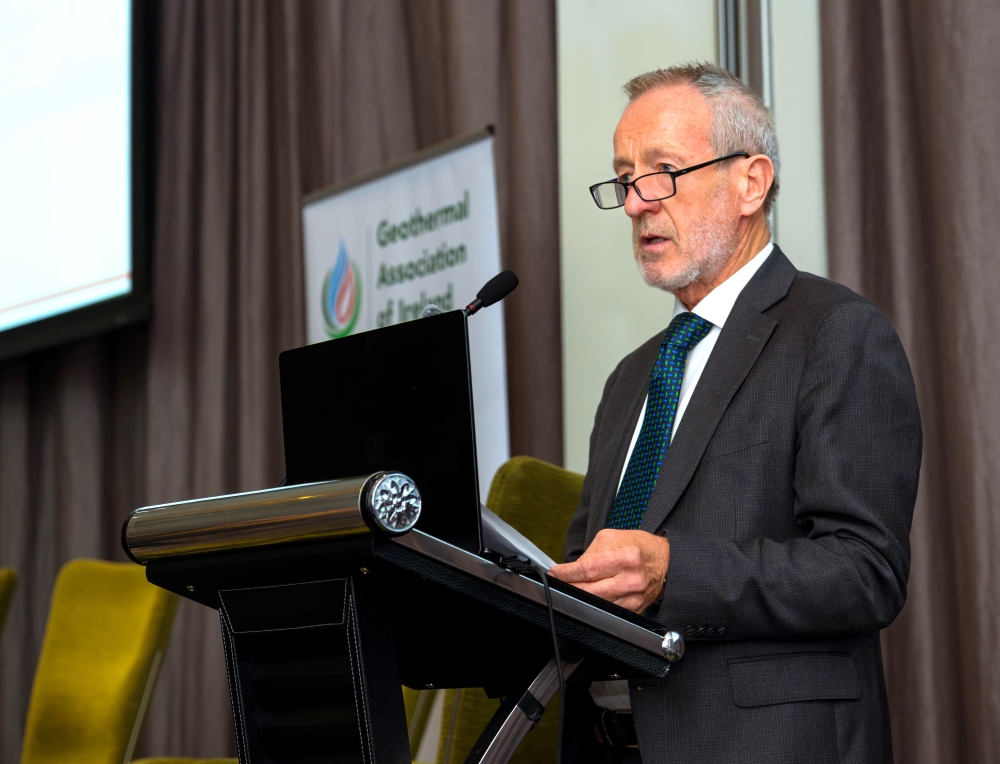
Photo: Cristina Pulidori (@cris35mm_) for EGEC & GAI, 2026
Here is the prepared text of Mr Kelly's speech (published with his permission):
Ladies and gentlemen, it is a pleasure to join you here in Dublin for the Geothermal District Heating and Cooling Days.
I want to begin by welcoming the European geothermal community to Ireland and congratulating the European Geothermal Energy Council and the Geothermal Association of Ireland for bringing this event here.
Today’s discussion is timely, simply because we have a major heating challenge in Ireland.
We have significant geothermal potential, and we have a developing district heating sector. Perhaps most importantly, however, is that we have an increasingly urgent need to reduce our dependence on imported fossil fuels.
For many years, Europe built a large part of its economy around an assumption that imported fossil fuels would remain relatively cheap, stable and readily available.
Russia's invasion of Ukraine exposed just how big a mistake that was, and the instability we have seen in the Middle East this year has done so again.
We learned after Russia's invasion that Europe could change from where it bought its fossil fuels. However, the crisis in the Strait of Hormuz over the past six months has reminded us that diversifying suppliers is not the same thing as achieving energy independence.
As long as we remain dependent on imported fossil fuels, events thousands of kilometres from Ireland can still determine what an Irish household or business pays for energy.
That vulnerability has consequences for households through their energy bills, for businesses through higher operating costs, and ultimately for our competitiveness as a country and as a European Union.
A business making an investment needs some confidence about what its energy costs will look like in five, ten or fifteen years, and at the moment, both in Ireland and across Europe, we are struggling to give them this confidence.
We remain heavily dependent on imported fossil fuels for heat, while natural gas continues to play a major role in our electricity system.
More than 90 per cent of Irish heat demand was still being met by fossil fuels in 2024, with renewables accounting for only 7.9 per cent of heat consumption. We are very exposed and vulnerable.
I believe delivering energy independence must become the central objective of European energy policy, and for Ireland that means using far more of the energy resources available to us here at home.
On the 17th of July, the European Commission published its new Electrification Action Plan, and I believe this will be one of the most consequential pieces of European energy policy in this Commission's mandate.
The starting point for this strategy is eye-opening: Around 70 per cent of European electricity is now generated from clean energy sources. Yet electricity still accounts for only around 23 per cent of final energy demand, and that figure has barely moved over the past decade.
The Commission therefore wants Europe to become what it describes as the world's first electro-powered continent. It will assess an electrification target of 46 per cent by 2040.
The Commission estimates that reaching that level could reduce Europe's fossil fuel import bill by €260 billion every year.
That is €260 billion leaving the European economy every year to pay for imported fossil fuels rather than being invested in European infrastructure, European industry and European jobs. That’s the cost of well over 100 National Children’s Hospitals leaving the EU every year.
There is a clear realisation at EU level now that electrification is a critical part of our energy, industrial, competitiveness and Climate policies, and Geothermal Energy has a very clear place within that agenda.
That is one of the things I particularly welcome about the new Action Plan.
The Commission explicitly identifies geothermal as an underutilised European resource. Its assessment is that, with the right enabling framework, geothermal could cost-effectively meet at least 10 per cent of Europe's electricity needs and as much as 25 per cent of heating and cooling demand.
That is a very significant statement of support for developing the sector further, and the Commission is beginning to match that recognition with concrete policy.
A new European Geothermal Stakeholder Partnership will be established by the first quarter of next year. Its purpose is to tackle the regulatory, technical and investment barriers holding geothermal back.
Member States and industry will work together on issues such as geological data, national geothermal strategies, financing, permitting, skills and public acceptance.
There is great potential here for better cooperation and sharing of best practice among EU Members. Countries such as Ireland should not be trying to develop a geothermal market in isolation given there are European countries with much more mature sectors in which there are financing structures that have been tested, and regulatory systems that work.
There are lessons from projects that succeeded and from those that did not, and there is a great opportunity for Ireland to learn from that experience and apply it rapidly at home.
When it comes to implementing the Action Plan, I think it is important that we electrify intelligently. The objective shouldn’t necessarily be to just electrify as much heat as possible, but instead we should work to electrify heat as efficiently as possible.
The Commission is proposing new rules to make it easier to integrate demand response, battery storage, thermal storage, geothermal, electric vehicles and heat pumps into the electricity system, and this is something I strongly welcome.
I have spent much of this parliamentary term working on Europe's electricity grids, and it goes without saying that we need enormous investment in them.
But we should also make the best possible use of every megawatt of grid capacity that we build. If geothermal can deliver useful heat with lower electricity demand and lower peak demand on the grid, then it is bringing a significant amount of system value that we need to recognise and incentivise.
The system benefits are potentially enormous. Ground-source heat pumps can provide highly efficient heating and cooling from a stable thermal source, thermal storage can move energy use across time, and district heating networks can integrate geothermal alongside waste heat and other clean sources.
For a country already dealing with significant grid constraints, these attributes are worth their weight in gold.
The Action Plan is very ambitious on heat pumps in general. It is targeting an increase in heat pump installations across Europe from around 2.4 million per year in 2025 to around 4 million per year by 2030.
The Commission is proposing to rapidly accelerate deployment and use European financing platforms to help de-risk investment in heat pumps, district heating and cooling, geothermal and related projects.
This ambition is welcome from an Irish perspective, as one of the problems facing geothermal in Ireland is the tendency to compare technologies almost entirely on upfront capital cost, which can give a distorted picture. It is important, instead, to consider the value of a geothermal system over its full operating life.
And this is where some of the emerging Energy-as-a-Service and Heat-as-a-Service models are particularly interesting.
A hospital or university does not necessarily need to become an expert geothermal infrastructure company. Specialist providers and long-term infrastructure investors can own and operate those systems and sell heating and cooling as a service to the customer.
The other area where I see enormous potential is district heating and cooling.
The European Commission wants district heating and cooling networks to grow by 6 to 7 per cent per year to 2030 and to provide 15 per cent of Europe's heating and cooling supply by then.
The Action Plan recognises that these systems can integrate geothermal, waste heat, large heat pumps and thermal storage while reducing pressure on the electricity grid.
More than half of Ireland's heat demand is concentrated in our five largest urban centres, and we have growing heat demand around cities, campuses, hospitals, housing developments and commercial sites. At the same time, we have significant sources of waste heat and geothermal resources that have hardly begun to be exploited. This presents a great opportunity.
But an opportunity is nothing without action. Ireland published its Policy Statement on Geothermal Energy for a Circular Economy in 2023, something that was very welcome.
However, it is now September 2026. Three years is too long for a policy statement on a valuable indigenous energy resource to be sitting on a shelf awaiting full implementation, particularly when the geopolitical context has changed so dramatically around us.
The European Commission has now placed geothermal explicitly within its strategy for electrification, energy independence and competitiveness; we need to respond accordingly.
We need to put in place the required frameworks and supports to get this sector moving. Every major new public building and significant public-sector heating retrofit should at least be asking the question: has geothermal been properly assessed?
Policy at both national and European level tends to suffer from an implementation gap. We make plans, targets and strategies, but then don’t do enough to see it realised.
I’ve seen the same in my work on the electricity grids. When infrastructure is clearly necessary for our economic security, we must become much better at moving from policy to delivery.
During the Covid pandemic, the State showed that it could move with extraordinary speed when extraordinary circumstances required it. Energy security and energy independence require some of that same urgency.
Every additional unit of heat that we can produce efficiently from an indigenous renewable resource reduces our exposure to events elsewhere in the world.
And that’s before we even consider the economic argument. If we can establish a genuine domestic geothermal market, Irish engineers, drillers, consultants, designers and developers will build expertise and ensure geothermal it becomes a thriving Irish industry in its own right.
We need to show ambition here and deliver.
If I’m asked back to speak at this conference again in three years’ time, I sincerely hope we are no longer spending most of our time talking about Ireland's geothermal potential, but instead about a healthy pipeline of projects that are either in planning or under construction.
Ireland has a substantial indigenous energy resource beneath our feet, and we have talked about its potential for long enough. It’s about time we put in place the conditions to utilise it.
Brussels, 17 July 2026 – Whilst we welcome the publication of the European Commission’s Electrification Action Plan, EGEC remains surprised that the Geothermal Action Plan was not published alongside it today.
The European Geothermal Energy Council (EGEC) welcomes the Electrification Action Plan and endorses its central objective to speed up “electrification across the sectors that are most dependent on fossil fuels, notably transport, buildings and industry”. The situation in the Middle East has already cost energy consumers across the European Union an additional €53 billion on energy imports. Dramatic course-correction is required.
To deliver this, the Commission will create a Geothermal Stakeholder Partnership by Q1 2027 to remove regulatory, technical and investment barriers and accelerate the deployment of geothermal in Europe. The Geothermal Action Plan is urgently needed as a roadmap for the Partnership to frontload investments in Europe’s energy security, competitiveness and affordability.
We also welcome actions to remove barriers to the deployment of renewable heating technologies including thermal storage, reference to geothermal passive cooling combined with measures to accelerate the deployment of geothermal heat pumps in public buildings. The future adoption of a Cooling and Heating Plan should aim at phasing out fossil fuels and “to address the growing need for efficient cooling”.
Philippe Dumas, Secretary General of EGEC, stated: “The Commission’s Plan highlights the vital role of geothermal for Europe’s energy independence powered efficiently by clean, local, and affordable energy. The creation of a Geothermal Stakeholder Partnership should provide the engine needed to rapidly scale-up geothermal deployment in Europe. Now the Commission must also come forward with a robust European Geothermal Action Plan, which could provide a roadmap for the Stakeholder Partnership to fast-track investments.”
Sanjeev Kumar, EGEC's Policy Director, added: “Geothermal makes electrification cheap, accessible and affordable for all. The Geothermal Action Plan must be published now to empower investors and consumers.”
Press Release (PDF version)
For more information about the Electrification Action Plan, see the Press Release from the European Commission (17 July 2026)
For more information about EGEC’s recommendations, see our policy statement: The European Geothermal Strategy and Action Plan (December 2025)
In case of questions, please contact:
Philippe Dumas, EGEC Secretary General
p.dumas@egec.org | +32 497 45 44 37
Sanjeev Kumar, EGEC Policy Director
s.kumar@egec.org | +32 499 53 97 31
7 July 2026
EGEC, together with 85 other European associations representing key industrial and technological sectors, is calling on the EU institutions to develop and implement an ambitious 7-year research and innovation programme after the end of Horizon Europe (which runs out at the end of 2027). The next EU Framework Programme for Research and Innovation will be the 10th multi-annual programme since the first was launched in 1984. FP10 will cover the seven years from 2028 until the end of 2034.
Here (below) is the text of the Joint Declaration for a Bold FP10: Investing in Research, Development and Innovation to Boost European Productivity and Competitiveness
Europe stands at a decisive juncture. The Draghi report on European Competitiveness has laid bare a stark reality: Europe's productivity growth has stalled, its innovation gap with the United States and China is widening, and the continent risks a slow but irreversible decline in its economic standing. At the same time, the Competitiveness Compass and the EU’s political guidelines place research, development and innovation (RD&I) at the heart of Europe’s strategy to reverse this trend. We, the undersigned — 86 European associations representing key RD&I stakeholders — fully endorse this diagnosis and urgently call on EU Institutions to act with commensurate ambition in designing and funding the next Framework Programme for Research and Innovation (FP10).
The Draghi report calls for an additional €800 billion per year in investment to close Europe’s competitiveness gap, with RD&I as the primary driver of sustainable productivity gains. Innovation-led productivity growth is not merely an economic imperative — it is the only credible path to financing Europe’s green and digital transitions, its open strategic autonomy, and its social model. FP10 is the EU’s principal instrument for catalysing this transformation. Its track record of leveraging private investment, maturing technologies, and building the cross-border collaborative ecosystems that no single Member State can replicate alone makes it uniquely placed to deliver at the scale and speed Europe requires.
Yet current EU RD&I spending remains wholly insufficient relative to this challenge. Europe invests significantly less in R&D as a share of GDP than its main global competitors, and the leverage effects of the Framework Programme — demonstrated conclusively by the Horizon 2020 ex-post evaluation — mean that every euro of EU public investment generates multiples in private and national co-investment. Cutting or stagnating FP10’s budget would be a false economy: it would undermine precisely the public-private partnerships, the technology maturation pipelines, and the talent networks that are indispensable to restoring European productivity growth.
We therefore call on EU Institutions to:
The window of opportunity is narrow. Decisions taken in the coming months on the next MFF will determine whether Europe has the RD&I firepower to compete globally and sustain its prosperity. We, the undersigned associations, stand ready to work with EU Institutions to design an FP10 that is bold, well-resourced, and fit to deliver the innovation-driven productivity growth Europe urgently needs.
EGEC is proud to be a signatory of the first-ever tripartite agreement on energy storage at European level. The agreement, which was prepared by the European Commission, brings together Energy Ministers from 22 EU Member States alongside associations representing storage developers and manufacturers, renewable energy developers, energy-consuming industries and financial institutions.
The objective of this agreement is to accelerate the deployment of energy storage solutions throughout the European Union, using batteries and thermal storage, in order to support the shift towards a cleaner and more sustainable energy system.
Under the Tripartite Agreement on Energy Storage …
🔷 The European Commission will support EU Member States in creating funding schemes for energy storage and help the decarbonisation of energy-consuming industries, including through the Industrial Decarbonisation Bank. It will also explore ways of supporting energy storage deployment under the Innovation Fund.
🔷 National governments will support the energy storage sector by removing barriers that slow progress. Where necessary, they will provide financial support for energy storage rollout and manufacturing through national and EU funding, and in line with State aid rules, such as the Clean Industrial State Aid Framework (CISAF).
🔷 Financial institutions (national and regional banks) will share expertise on storage projects to make them more attractive to investors, and work with the EIB Group and with each another to increase the impact of funding for storage solutions.
🔷 Providers of energy storage solutions will collaborate with industries and other large energy consumers to develop and implement plans for new energy storage projects.
In connection with the Tripartite Agreement signed on 26 June, the European Commission has shared some examples of energy storage projects that could be easily replicated. These include:
🔶 The GESIIS Project in Ostellato (Emilia-Romagna, Italy), provides a replicable model for integrating geothermal energy with high-temperature aquifer thermal energy storage (HT-ATES). The system, operated by by FRI-EL Geopower SRL, supplies heat to hydroponic greenhouses.
🔶 The Korvenmäki waste-to-energy plant in Salo, Finland, uses deep geothermal wells to store excess heat from waste incineration and then use it to supply to Salo’s district heating network. The plant is operated by Lounavoima and the wells were implemented by QHeat.
🔶 The Kuebebierg district heating and cooling project in Luxembourg will combine 10 GWh of seasonal solar-to-ground thermal storage with photovoltaic thermal (PVT) panels, 800 geothermal boreholes, and a district energy network (developed by Karno).
EGEC has also provided the Commission with further examples of successful geothermal energy storage projects that have been or are being developed by Mijnwater (Netherlands), Geothermie Neubrandenburg GmbH (Germany), Vulcan Energy (Germany) and Lithium de France.
The EU’s Energy Commissioner Dan Jørgensen chaired the signing ceremony, which took place in Luxembourg on Friday (26 June). EGEC was represented by our Secretary General, Philippe Dumas. Also present were the CEOs of two EGEC members: Erika Salmenvaara from QHeat and Ernst Gostner from Fri-El Green Power SpA.
According to Philippe Dumas: “Signing this Tripartite Agreement on energy storage is a proud moment for EGEC. The agreement brings together key players including storage solution providers, power and heat producers, energy consuming industries and the district heating and cooling sector, plus the banks who have a key role to play in financing energy storage projects. With the strong backing and commitment from the European Commission and national governments, we are optimistic that this agreement will provide a platform for accelerating the deployment of underground thermal energy storage across the whole of the EU, as well as the supply of geothermal lithium for batteries. In this way we can continue to show how all kinds of geothermal storage solutions can contribute to achieving a more resilient, efficient and sustainable energy system.”
For more info see the European Commission’s Press Release.
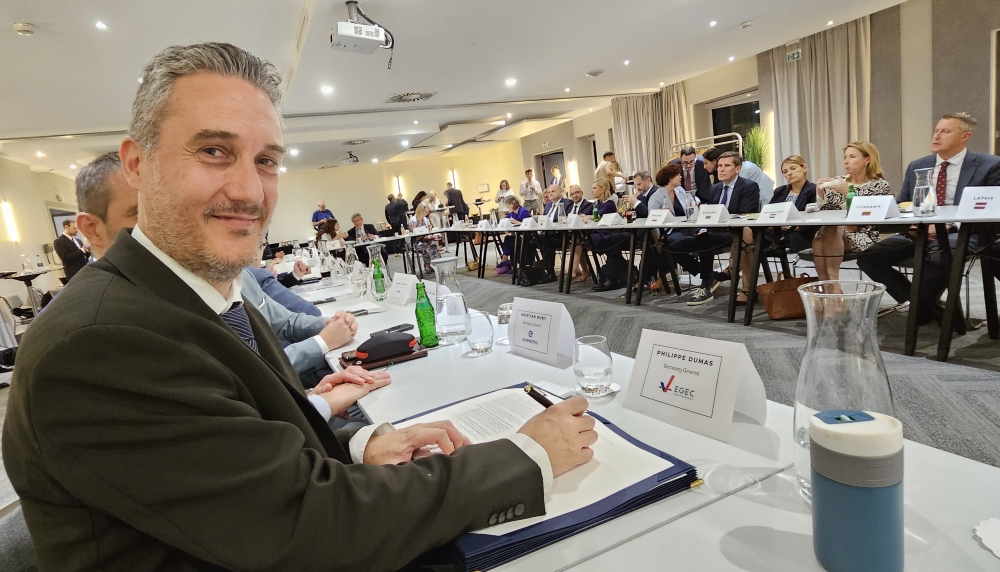
Philippe Dumas at the signing ceremony in Luxembourg on 26 June 2026.
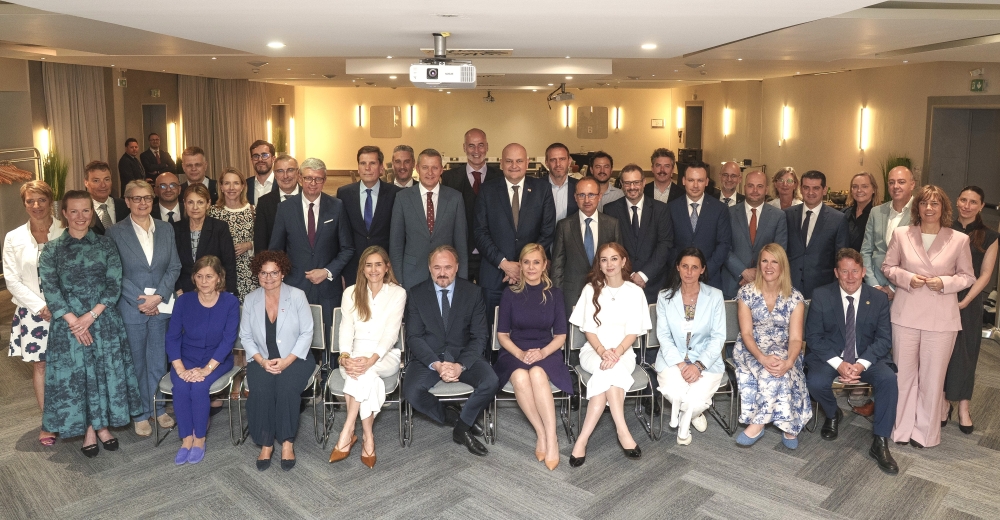
Signatories of the Tripartite Agreement on Energy Storage (© European Union 2026)
EGEC, together with 11 other European associations - representing Europe's renewable energy sectors in all their diversity, is calling on Energy Ministers from the 27 EU Member States to outline an investment-orientated renewable energy regulatory framework beyond 2030.
Today's joint letter to EU Energy Ministers has been coordinated by EGEC in cooperation with 11 other associations and organisations: WindEurope, Solar Impulse Foundation, EUREC (The Association of European Renewable Energy Research Centres), ESTELA (European Solar Thermal Electricity Association), Ocean Energy Europe, Solar Heat Europe, EREF (European Renewable Energies Federation), Global Renewables Alliance, Airborne Wind Europe, European Heat Pump Association & SolarPower Europe.
The letter has also been copied to the relevant members of the European Commission (EVP Teresa Ribera, EVP Stéphane Séjourné, Dan Jørgensen & Wopke Hoekstra) and to the Directors-General responsible for Energy (Celine Gauer), Climate Action (Kurt Vandenberghe) and Industry (Kerstin Jorna).
In our joint letter to EU Energy Ministers, we underline the following facts:
➡️ Europe’s renewable energy sectors employ over 1,8 million people directly and 4,5 million indirectly, and contribute over €150 billion to the EU’s GDP.
➡️ Renewable energy is foundational to Europe’s strength, resilience and independence as witnessed against the backdrop of conflict in Ukraine and the Middle East.
➡️ The EU spent €336 billion on fossil fuel imports in 2025. This bill is set to rise further in 2026, undermining Europe’s energy security and competitiveness.
➡️ Meanwhile, Europe’s installed renewable energy capacity, which only comprised 25.2% of final energy consumption in 2024, saved €54.1 billion from imported fossil energy in 2025.
➡️ Accelerating the uptake of renewable electricity, heating and cooling is fundamental to Europe’s energy security. The same is true for grids, thermal networks, storage, demand response and mineral extraction.
Joint Letter on EU Renewable Energy Targets and Frameworks post-2030
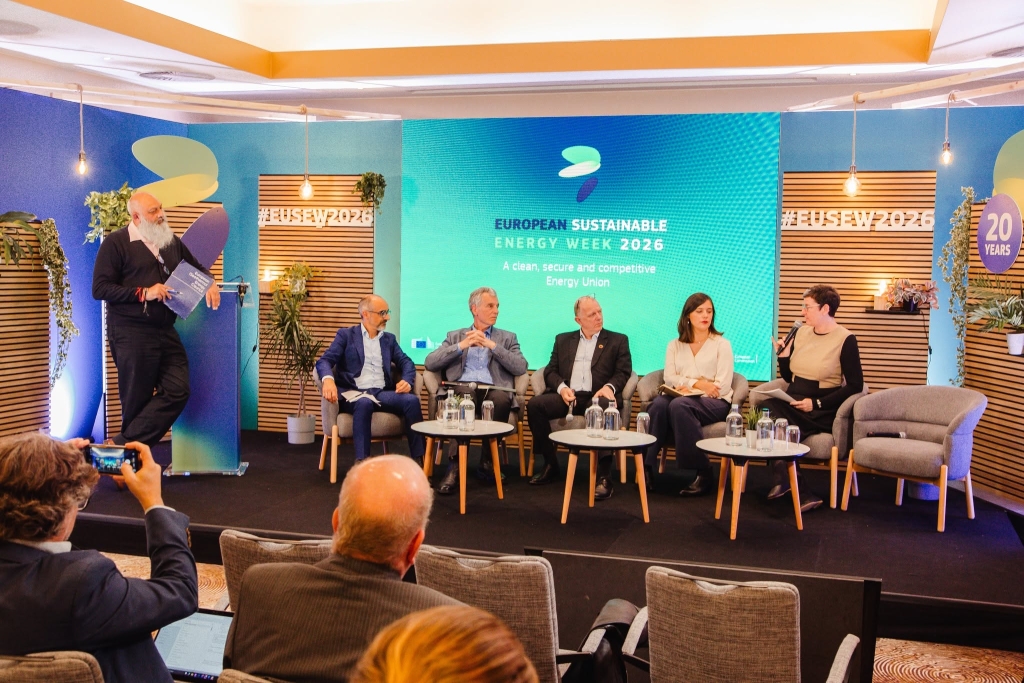
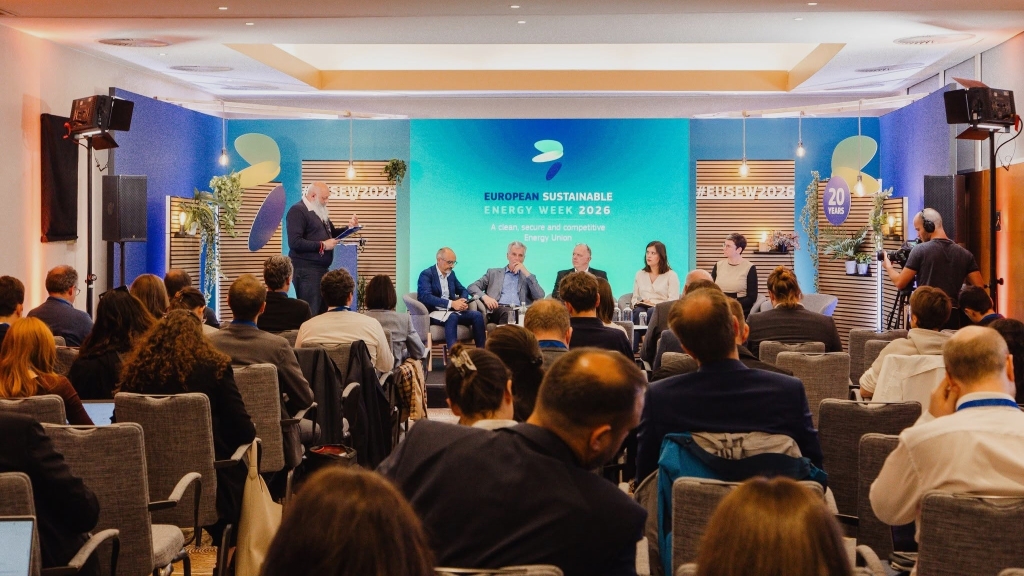
EGEC hosted a Policy Session on 9 June as part of the European Sustainable Energy Week (EUSEW) in Brussels. The Policy Session ‘European Geothermal Action Plan for energy security, affordability and competitiveness’ was prepared in close partnership with the European Commission (DG Energy) and Canada's Mission to the EU.
The session was introduced by EGEC's Policy Director, Sanjeev Kumar, who reminded the audience that for many years EGEC has been calling for the adoption of an ambitious Geothermal Action Plan at European level in order to accelerate the deployment and maximise the utilization of geothermal energy throughout Europe (see EGEC's proposals).
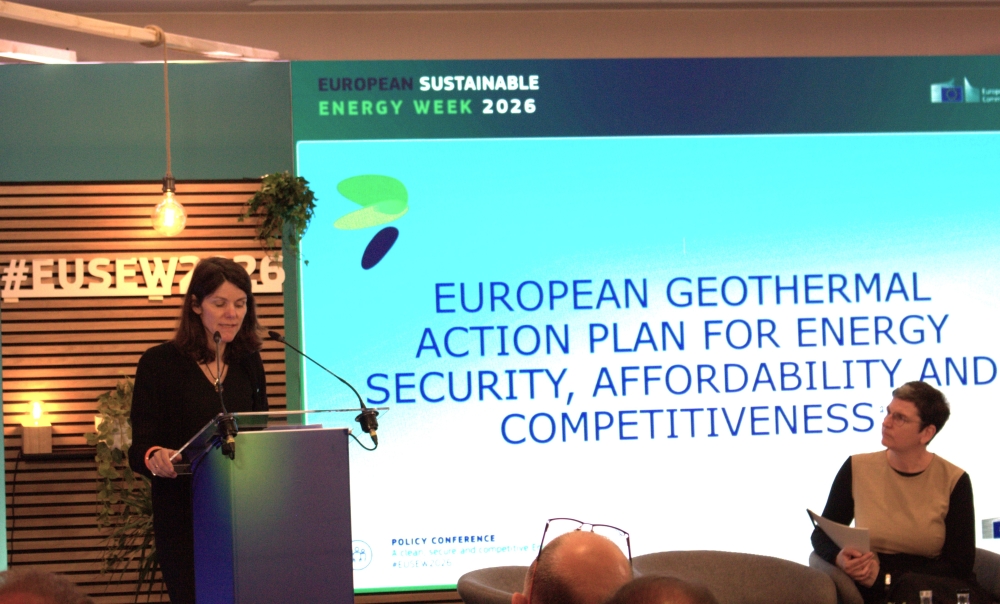
The European Commission was represented by Mechthild Worsdorfer (Deputy Director-General, DG Energy). She confirmed that the Commission is currently finalising a package of proposals that should be published before the end of July. This package will include measures to accelerate Europe’s clean energy transition and mobilise all renewable energy resources, including geothermal, building on the EU Green Deal legislation and the AccelerateEU plan.
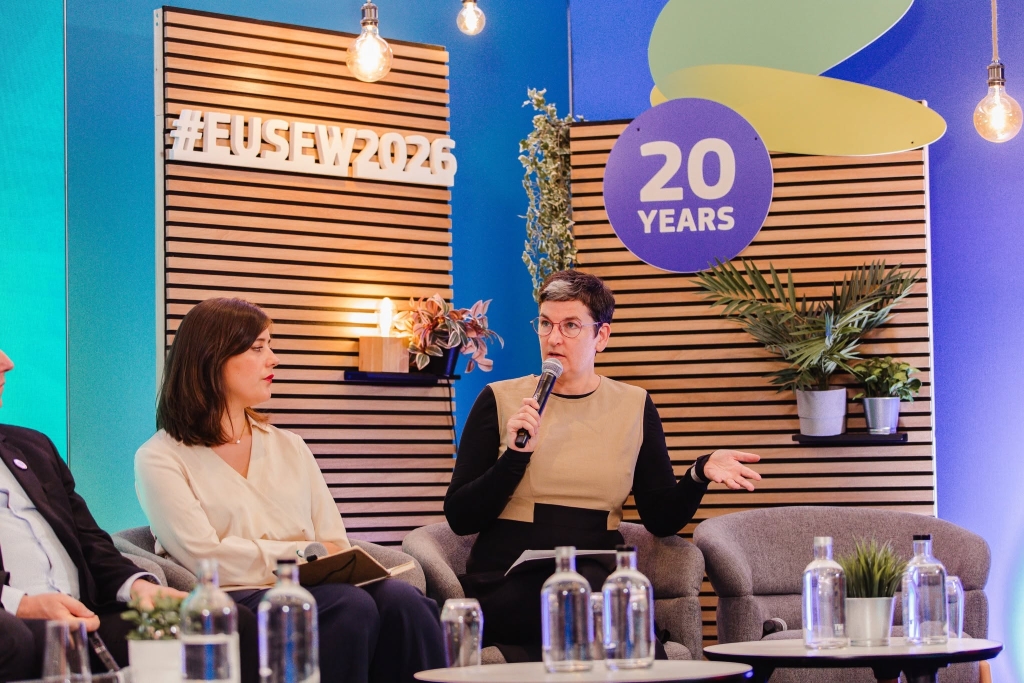
Callie Stewart (Head of Trade Section, Canada's Mission to the EU) highlighted Canada’s support for next-generation geothermal technologies. She underlined that unlocking the potential of these technologies requires supportive policies, and confirmed Canada’s willingness to collaborate with the EU and other international partners.
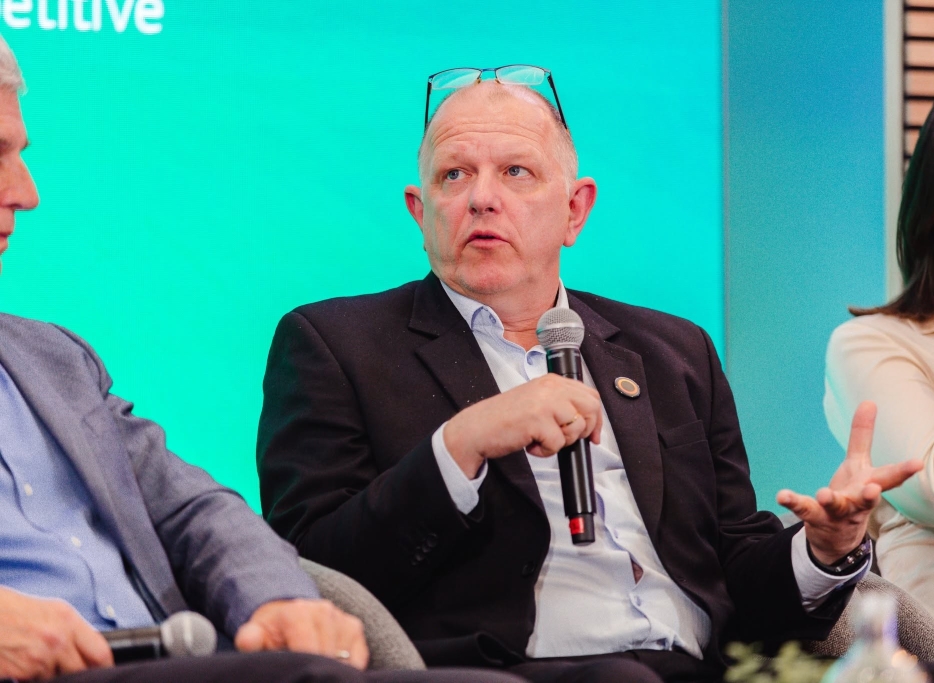
Marcin Kaniewski (Business Development Consultant with Eavor Technologies Inc.) described Eavor’s pioneering closed-loop geothermal demonstration project in Geretsried (Germany), which was realised with funding from the EU Innovation Fund and a loan from the European Investment Bank. Eavor’s closed loop technology can reliably provide both electricity and heat, with a relatively small environmental footprint and low operating costs.
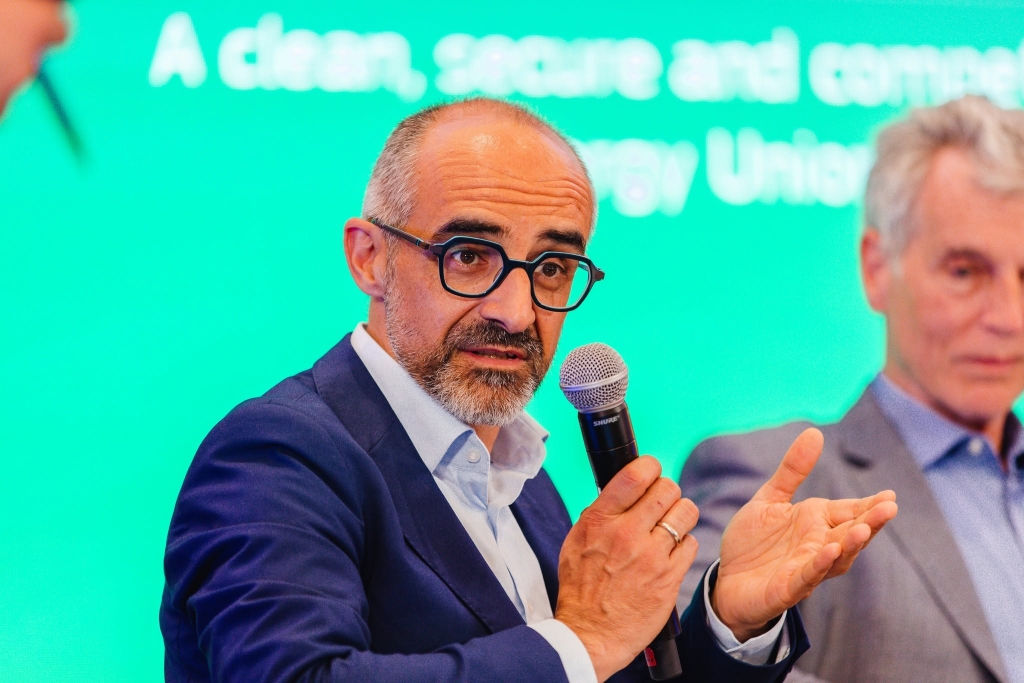
Marco Baresi (Vice-President of EGEC / Director of Marketing & Institutional Affairs, Turboden S.p.A.) said that when it comes to scaling up geothermal energy, Europe should learn from what has worked in the USA, notably in terms of political leadership and vision, favourable policies and suitable financial frameworks.
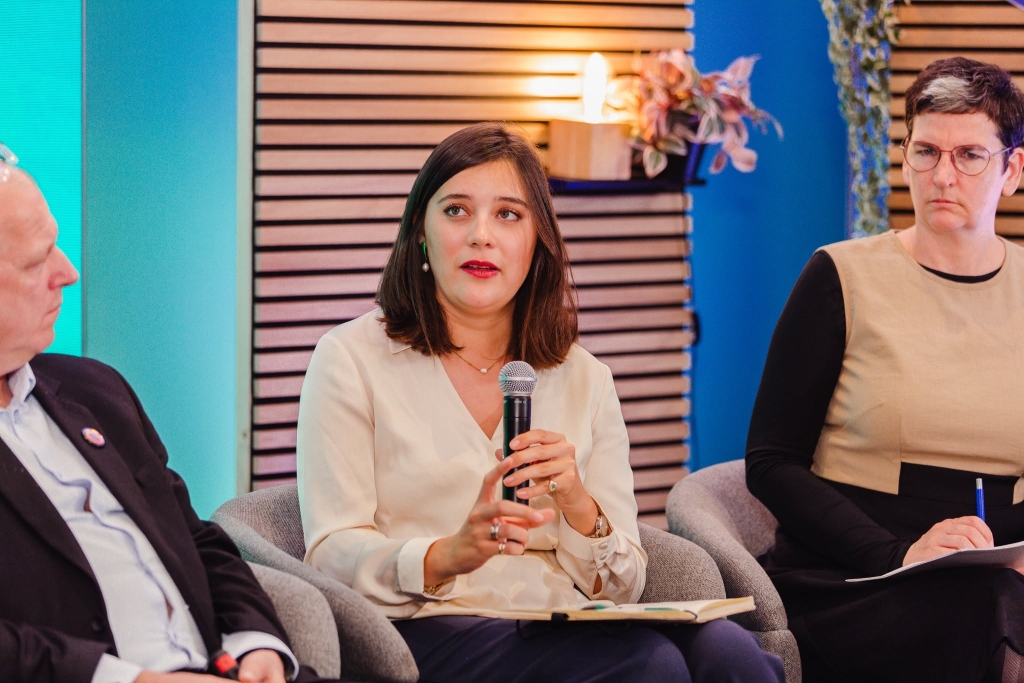
Lily Burge (Global Policy Lead at Climate Bonds Initiative) explained that the EU could help to drive up investment in geothermal projects by providing policy stability and by making permitting procedures both simpler and faster.
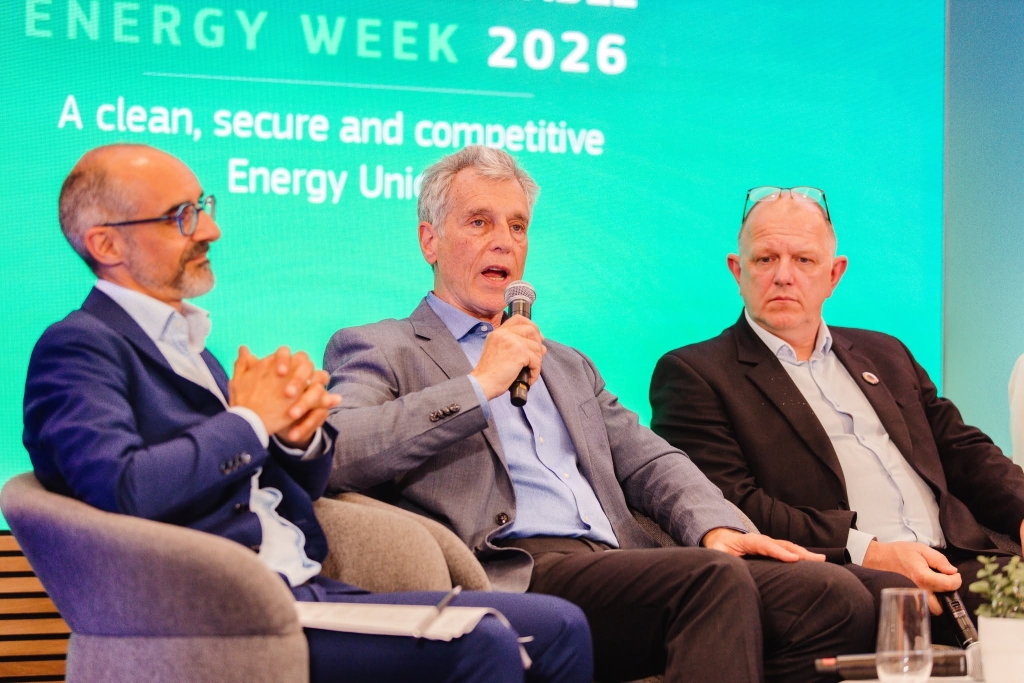
Thomas Homer-Dixon, Executive Director at the Cascade Institute, agreed that having an enabling regulatory environment is vital for drawing in private capital. He echoed the demand for faster permitting and licensing procedures, and he also called for close collaboration between the public and private sectors.
Bringing the session to a close, Sanjeev Kumar emphasized that Europe’s geothermal sector is calling for a Geothermal Action Plan that will be a stand-alone document, and which will include ambitious targets for increasing Europe’s geothermal capacity in terms of heating and cooling as well as electricity generation.
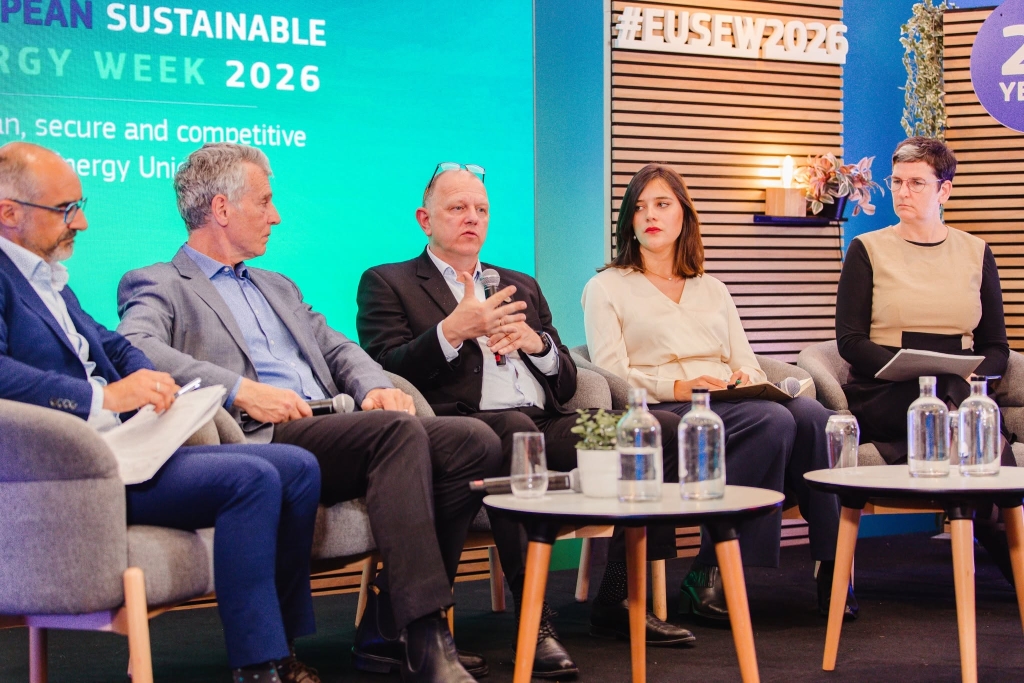
Scroll down for more photos (© European Union 2026) and a video recording of the Policy Session ...
On 3 June 2026, the European Commission published a Strategic Roadmap for Digitalisation and AI in the energy sector. This roadmap aims is to accelerate the rollout of digital solutions, including European AI solutions, in important areas for the decarbonisation process, such as electricity grid optimisation, energy efficiency in buildings and industry and demand-side flexibility.
The roadmap also addresses the increasingly heavy energy consumption of data centres and how they can be more sustainably integrated into the energy system, as well as the need to implement safeguards to mitigate potential challenges linked to the large-scale deployment of AI solutions in the energy sector.
In the framework of the roadmap, EGEC is involved in a new initiative that aims to support collaboration among European industry associations to foster the sustainable integration of data centres in the energy system. This will be done through the definition of an EU model for tripartite agreements between data centre operators, energy-related parties and public authorities.
Based on numerous examples around the world, we can see that geothermal energy is increasingly being utilized by data centre operators. The benefits of geothermal solutions include: continuous 24-7 electricity generation, highly efficient geothermal cooling solutions and underground thermal energy storage. So there is huge potential for geothermal companies to get more involved in meeting the energy needs of data centres!
Also on 3 June, EGEC participated in a Signature Event in Brussels, which was hosted by the European Commissioner for Energy and Housing - Dan Jørgensen. In the photo below (on the left side) you can see EGEC Board Member Carla Barrera (SLB), alongside our Vice-Presidents Marco Baresi (Turboden S.p.A.) and Kamila Piotrowska (Baker Hughes).
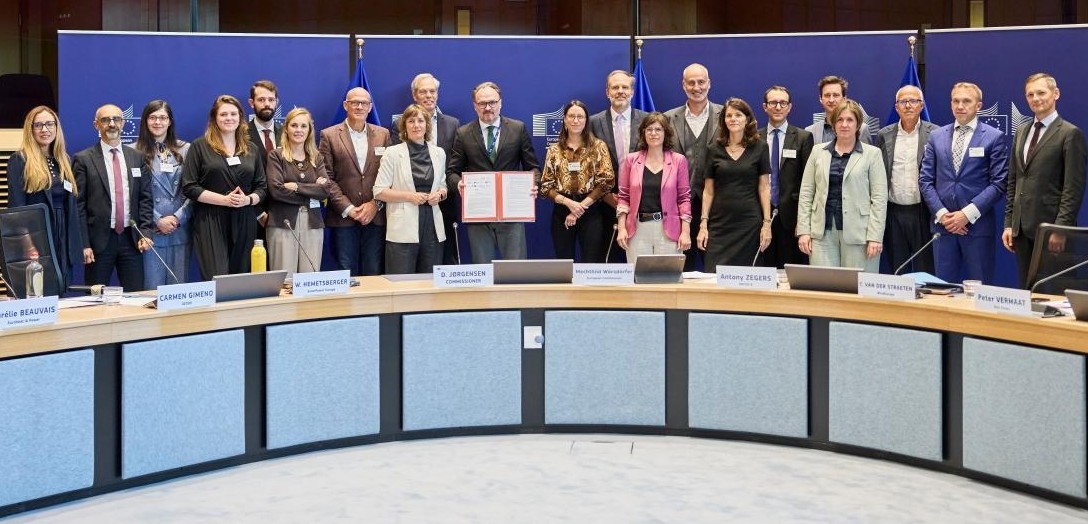
[Photo: © European Union, 2026]
Statement published by EGEC on 15 May 2026
The European Geothermal Action Plan must be presented as an independent communication because its role is to deliver real-world investments to secure Europe’s energy system. It must be measured by the quantity and quality of investments, reforms, jobs, and imported fossil fuels replaced for the security of supply. It must be both politically and financially bankable. This is why governments (Council Conclusions, 16 December 2024), the European Parliament (Resolution of 18 January 2024 on geothermal energy), investors, financiers and consumers have called for a dedicated geothermal action plan.
The following geothermal-specific measures were stipulated in the AccelerateEU communication, as published by the European Commission on 22 April 2026: EU-database of geological data, geothermal derisking and insurance schemes, international cooperation through the EU Global Gateway.
The following measures are now required from the dedicated Geothermal Action Plan:
For more details see EGEC's policy document:
Additional substantive measures for the Geothermal Action Plan (May 2026)